
Redolent of a bygone Western imperialist era of learning and borrowing Eastern concepts, the term often covers yin & yang, confucianism, tai chi, acupuncture, herbal medicines and other useful life practices and insights.
Recently though, new Chinese post-modern concepts have pointed to parallels with our own declining capitalist consumer society. Chinese experience of (guided) capitalism has been much shorter than the three hundred years of Western history of industrialisation and modernisation, but Chinese workers already have a quiet revolution in their work-life ethos.
Lining up approximate Western terms is an inexact science, and as I mainly operate on tang ping principles myself, I’ll just point out some linkages and you can do the rest.
Neijuan (involution) – working hard for little or no gain – in the rat race – possible human reaction is ‘burn out’.
45-Degree Youth – doing enough to get by, still standing but longing to lie down – probably equates to our ‘quiet quitting’
Tang ping (lying flat) – opting out and lowering desires – downshifting and maybe leading to voluntary simplicity?
Bai lan (let it rot) – embracing decline, stop trying – minimalism probably comes into both tang ping and bai lan as an ethical or philosophical framework.
Going further east, we can add a Japanese cultural and aesthetic perspective – really a philosophy of life with Wabi-sabi – finding joy and harmony in simplicity, imperfection, impermanence, incompleteness, weathered materials.
Naturally self-help and simple philosophy paperbacks can accompany all this – below is a couple spotted in a bookstore, just for illustrative purposes, as I’ve not read them:
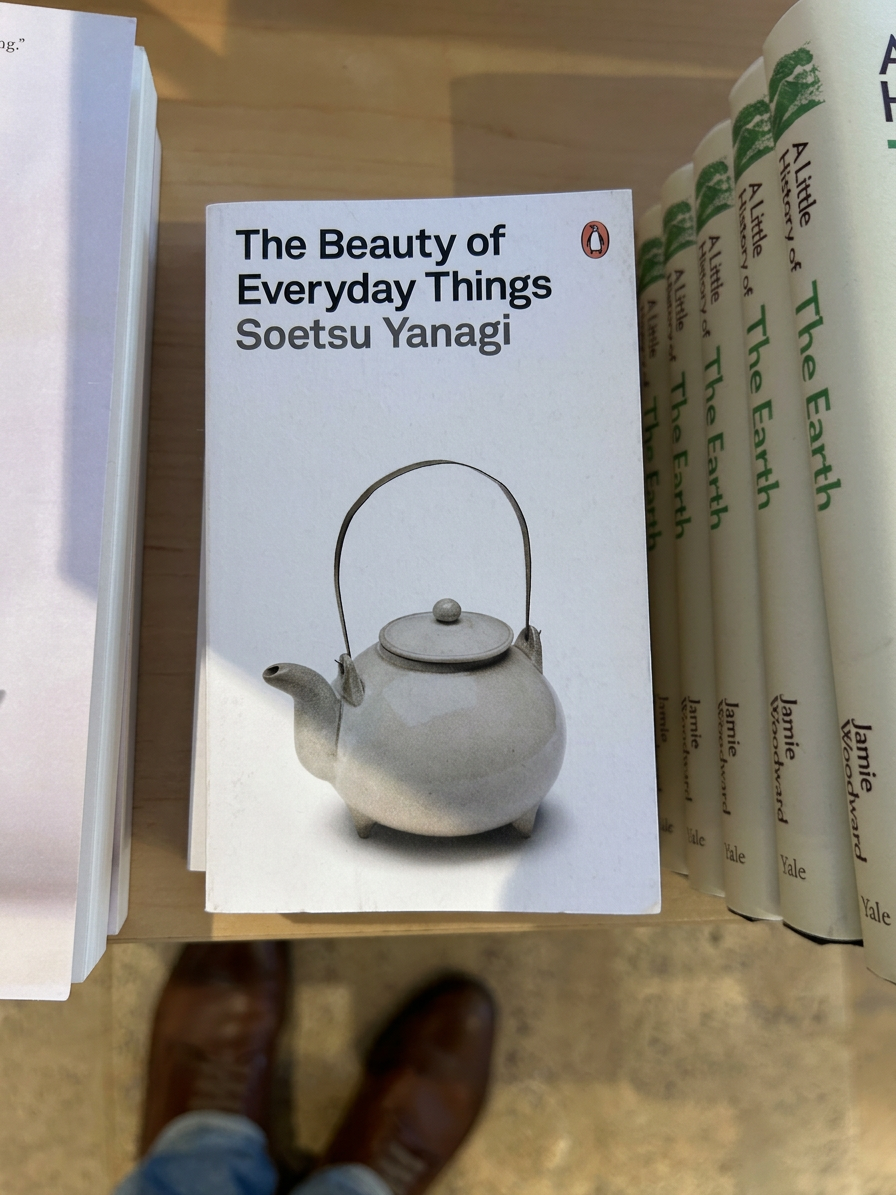
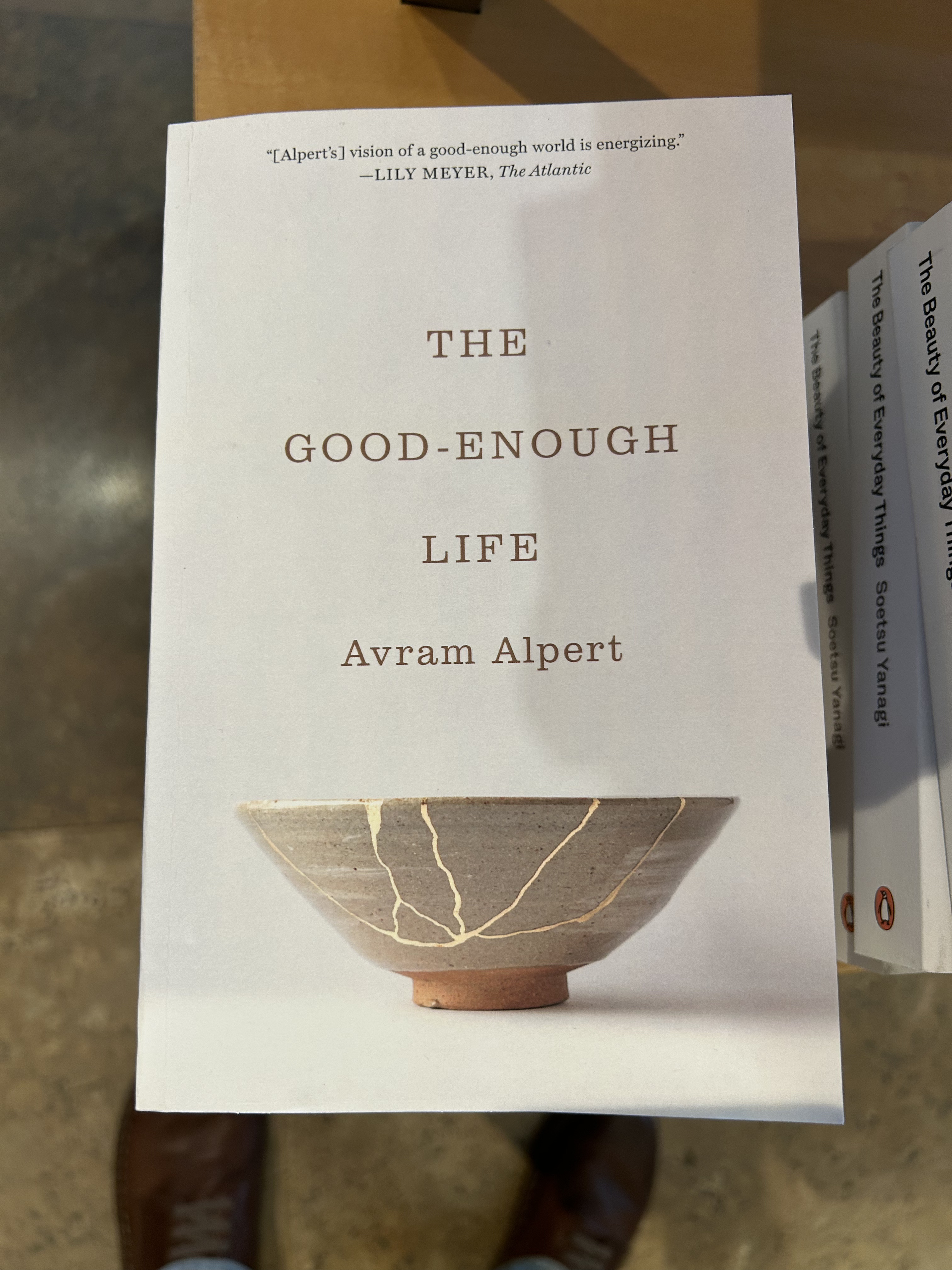


Very interesting choices; a not infrequent quiet sight is a monk in Japan gently raking a stone garden and then although not seen ( by me) another one gently dropping the odd leaf. This post made me want to read Montaigne to confirm if wisdom leads to tang ping. Other peoples greater purpose is exhausting when imposed.
Best wishes Peter and happy being.