Subtitled: ’Love, War, and the Birth of Impressionism’
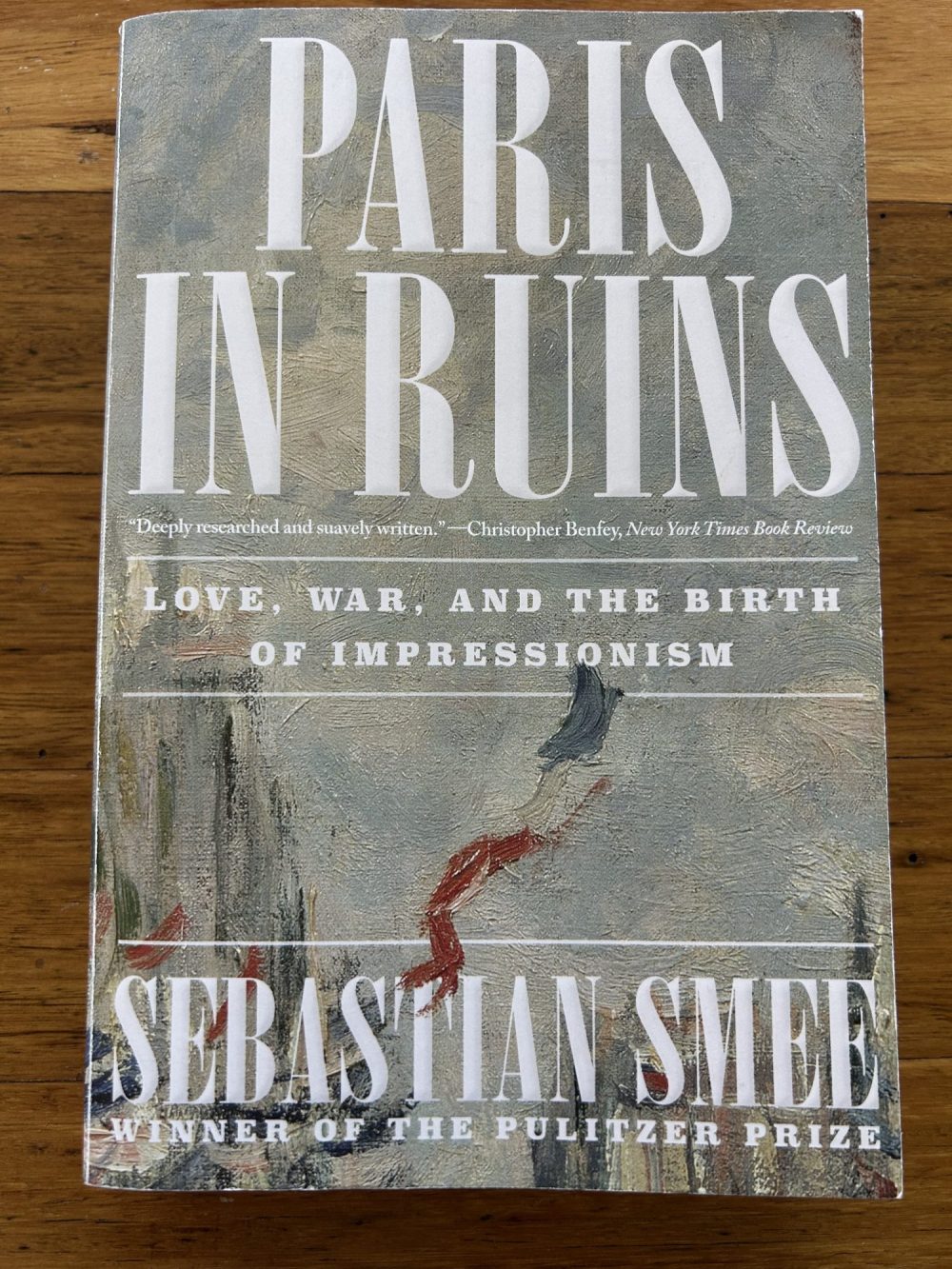
Sebastian Smee is a Pulitzer Prize winner and art critic. His recent book deftly weaves the weft of the origin story of Impressionism through the warp of the turbulent history of France in the 1870s, and particularly Paris in the ‘terrible year’ (année terrible) of 1870-71.
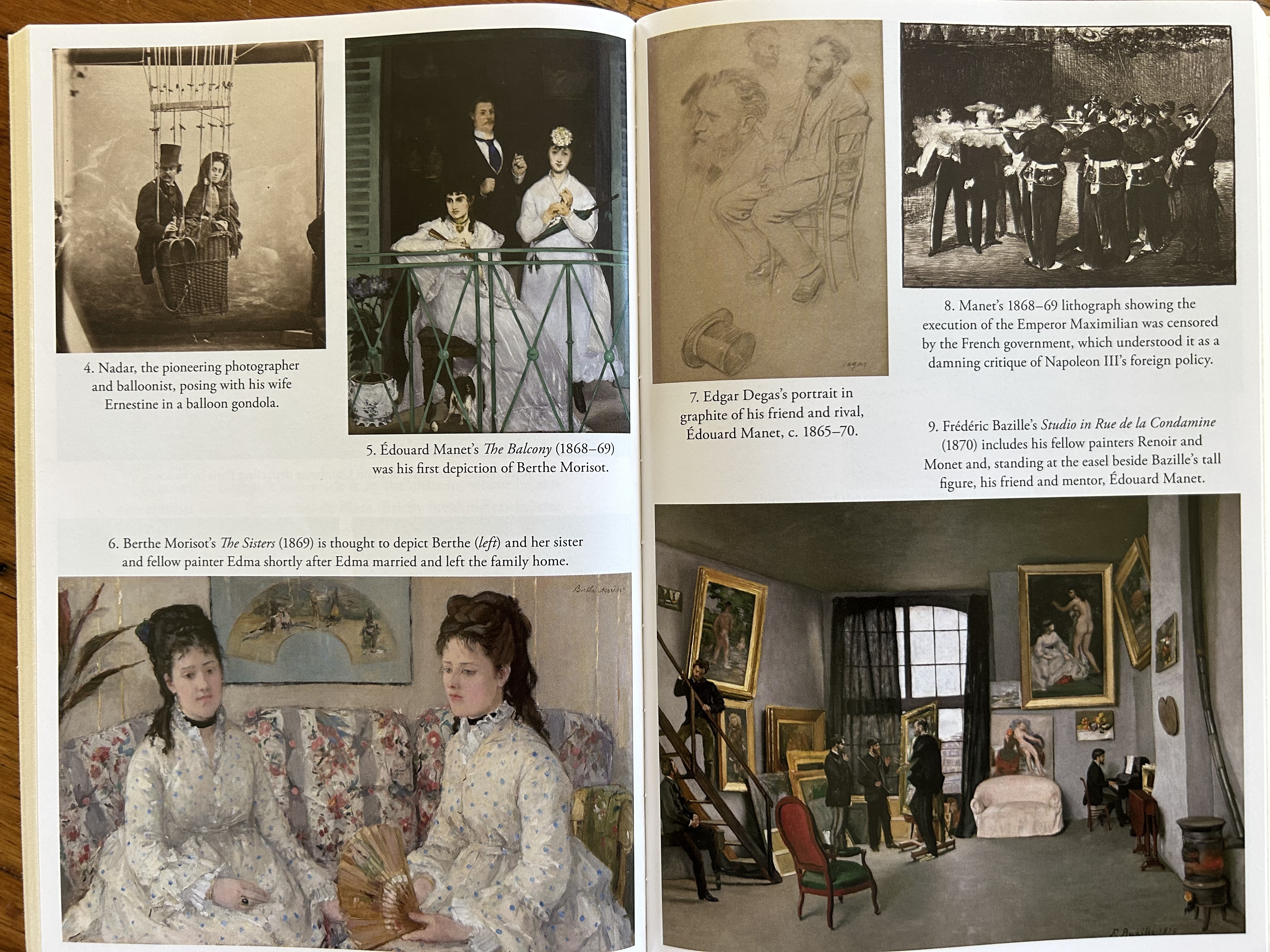
Paintings by the early Impressionists had of course been rejected for the ‘official’ annual Salon by the Académie des Beaux Arts jury in 1863, and so they held their own Salon des Refusés with their works. These painters then coalesced around the studio of Nadar the photographer and formed their own society.
Leading figures in the new artist movement were Edouard Manet and Berthe Morisot, who were artistic soulmates, with an undefined intimate relationship. Their ‘affair of the heart’ is central to Smee’s exposition of the burgeoning Impressionsim. Manet was married and Morisot later married his brother, and they were also models for each other’s portraits.
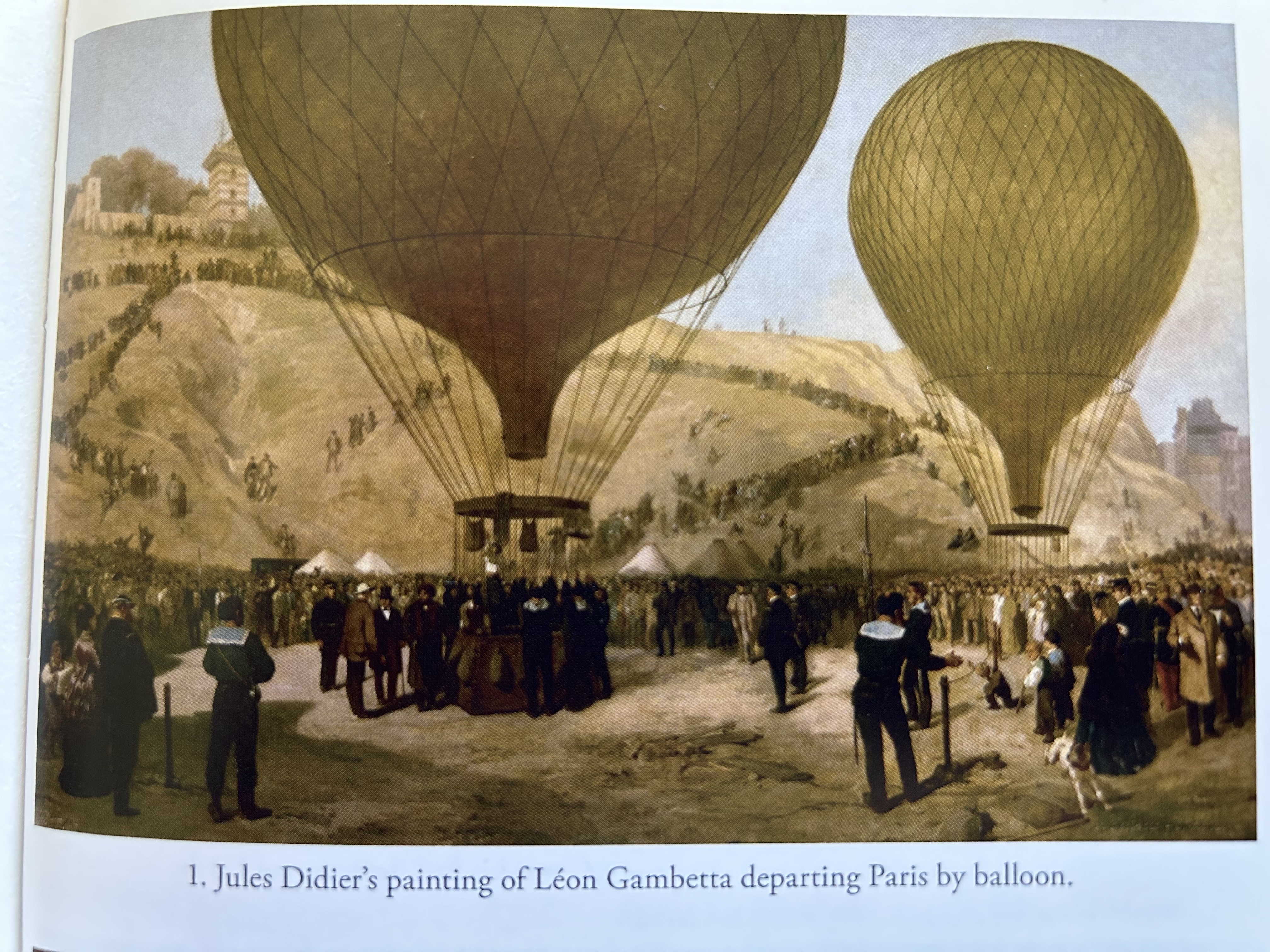
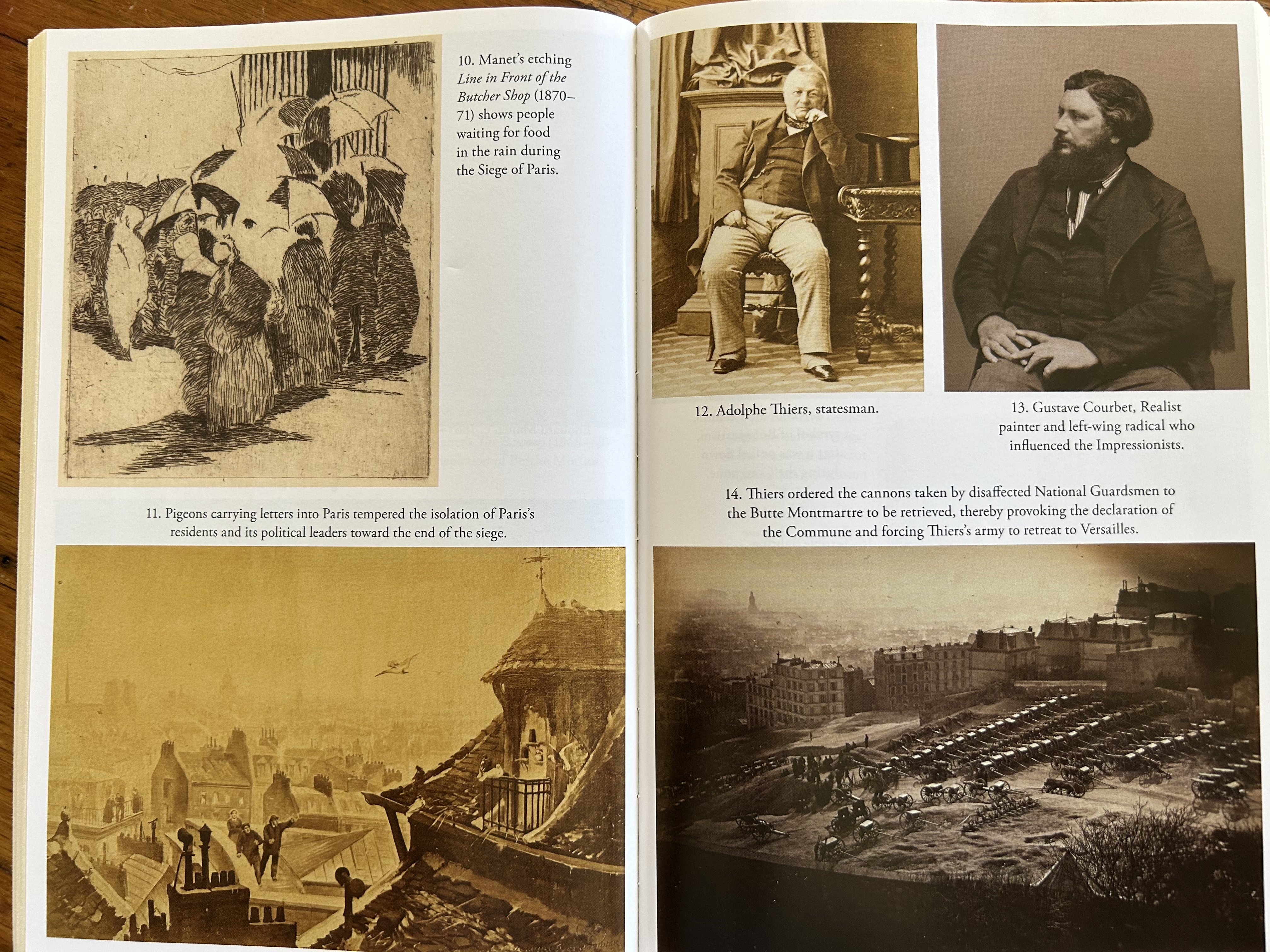
In that terrible year with France and Prussia at war, Prussian troops lay siege to Paris with artillery bombardments for months. Meanwhile Emperor Napoleon III is deposed and a revolutionary government organises resistance, with some wonderfully creative means, such as building new-fangled hot-air balloons to fly people out of besieged Paris over enemy lines. The famous Paris Commune is then in turn violently put down, with massive loss of life. These tumultuous but exciting events are vividly brought to life, with a colourful cast of political and artistic characters.
Smee argues that the visceral shock of this large scale suffering and destruction (plus the political torment of the times) on the Impressionists was so great that their immediate artistic reaction was to create sketches with fleeting impressions only, and then favour painting life-affirming subjects with celebrations of beauty and peace. Which builds on the explanation of Impressionism’s earlier rejection of the classical, idealised styles of the Académie. They were literally visionary artistic revolutionaries.
A very engaging and informative book, highly recommended, and the excellent colour plates of art and photography are a welcome bonus.